
Quick answer: what should an EPC buyer require from a switchgear FAT?
Agree the equipment scope, approved document revisions, applicable test requirements, acceptance criteria and evidence before booking the factory visit. Identify who will review records, witness selected activities, release hold points and approve outstanding items. Match every result to the relevant panel or component, then retain a signed acceptance record and a separate shipment-release decision.
A factory acceptance test (FAT) is a contractual inspection activity. A successful demonstration alone does not establish complete design compliance, close unresolved deviations or authorise site energisation. This guide helps buyers review evidence; high-voltage tests must be performed by appropriately qualified personnel under approved procedures.
Define the FAT scope before manufacture is complete
An enquiry for an “11kV switchgear testing procedure” needs more than a list of test names. The contract should identify the lineup, panel functions, component options, standards and editions, required documents, inspection stages and acceptance authority. Otherwise, the supplier and purchaser may arrive with different expectations about what the visit can establish.
Keep equipment selection separate from acceptance planning. An 11 kV network designation does not by itself confirm that a particular 12 kV assembly suits the project. Resolve the electrical and installation requirements first using the medium-voltage switchgear selection guide; the FAT then checks the agreed scope against controlled requirements.
For a Malaysian example, JKR’s 2024 PULMAT Taiping 11 kV project bill of quantities separately identifies factory witnessing and 11 kV switchgear within its FAT scope (Bill F/1/7). This illustrates a project-specific contractual requirement, not a universal Malaysian FAT package or a FUBANG project reference. Confirm the actual owner, consultant and utility requirements for your site.
Separate type tests, routine tests, FAT and SAT
- Type tests
- Evidence used to establish characteristics of an applicable design. Review the tested configuration, ratings, standard edition, report scope and any differences from the offered assembly. A report for another arrangement cannot be assumed to cover the purchase.
- Routine tests
- Checks required for manufactured equipment by the applicable standard and agreed scope. Request traceable records for the supplied units. A type-test report does not replace these records.
- Factory acceptance test
- The contract’s factory inspection and acceptance programme. It may combine document review, selected routine-test witnessing and agreed functional demonstrations. It is not a universal certification and does not require every activity to be witnessed in person.
- SAT and commissioning
- Site acceptance testing and commissioning address the installed equipment, interfaces and readiness for the intended service. Transport, assembly, site wiring and protection integration create checks that a factory visit cannot close.
IEC 62271-200:2021+AMD1:2024 addresses AC metal-enclosed assemblies above 1 kV through 52 kV. IEC 62271-100:2021+AMD1:2024 addresses AC circuit-breakers. Breaker evidence and assembly evidence therefore need separate scope checks. These public descriptions do not prove that a particular FUBANG configuration has complete coverage under either standard.
Approve the document baseline before inspection
Ask the supplier for a document register with revision, submission status and the person responsible for closing comments. “Submitted” is not the same as “approved”. Identify which unresolved comments prevent the planned inspection from producing a valid acceptance record.
| Document | Evidence to check | Confirmation responsibility |
|---|---|---|
| Approved drawings | Single-line diagram, arrangement and dimensions; revision used for manufacture matches approval. | Supplier submits; designated project engineer resolves revisions. |
| Panel schedule | Panel IDs, quantities, functions and lineup order match the purchase scope. | EPC and supplier reconcile against the contract. |
| Technical datasheets | Approved ratings, insulation requirements and declared deviations; no unapproved substitutions. | Project engineer accepts the technical basis. |
| Applicable type-test evidence | Report identity, tested design, ratings, edition and scope; explain differences from the offered arrangement. | Supplier provides evidence; purchaser’s technical reviewer evaluates applicability. |
| Routine-test records | Unit identification, procedure, measured results, acceptance criteria, date and responsible sign-off. | Manufacturer quality team records; purchaser reviews as agreed. |
| Circuit-breaker information | Actual type, serial identity, ratings, mechanism and auxiliary supply match approved data. | Supplier confirms selection; project engineer checks duty and interfaces. |
| CT/VT documentation | Identification, ratios, classes, burdens and applicable records correspond to the approved scheme. | Supplier and protection/metering engineer reconcile requirements. |
| Protection and control drawings | Schematics, terminal lists, logic, relay configuration and settings-approval responsibility. | Protection engineer approves basis; supplier demonstrates agreed functions. |
| Deviations and acceptance status | Open comments, concessions and nonconformities have named owners and written decisions. | Contract-authorised purchaser representative decides acceptance. |
Scroll within the table to read every column on a smaller screen. This is a review checklist, not a completed test record.
Make the inspection and test plan usable
The inspection and test plan (ITP) should connect each activity to its scope, procedure, acceptance reference, retained evidence and responsible parties. Agree what the involvement codes mean in the contract:
- Review (R): examine specified documents or records and record the review decision.
- Witness (W): invite the nominated party to observe the agreed activity. Define notice, attendance and waiver rules; absence is not automatic acceptance.
- Hold (H): do not proceed beyond the agreed point until the designated authority gives the required release.
The following plan is a template. Select the involvement level for each row; none is a mandatory universal witness point. Replace references with the approved contract documents and procedures before use.
| Inspection item | Applicable scope | Evidence required | W / H / R arrangement | Contract acceptance basis | Responsible parties | Final status |
|---|---|---|---|---|---|---|
| Document readiness | Lineup and agreed components | Revision register; resolved comments | Agree review and any hold | Approved submission schedule | Supplier; EPC reviewer | Not reviewed |
| Identity and construction | Panels listed in the contract | Nameplates; inspection record; drawing references | Agree review or witness | Approved schedule and arrangement | Supplier quality team; nominated inspector | Not inspected |
| Mechanical and interlock functions | Selected panel/breaker arrangement | Results against the approved functional sequence | Agree witness selection and notice | Approved procedure and interlock schedule | Qualified test team; purchaser witness if nominated | Not tested/reviewed |
| Specified electrical checks | Applicable assembly and circuits | Traceable measured results; instrument records | Agree review, witness or hold | Applicable standard and approved procedure | Qualified test team; technical reviewer | Not tested/reviewed |
| Protection and control | Agreed functions and available factory interfaces | Approved logic/settings basis; functional records; limitations | Agree witness or record review | Approved schematics and functional criteria | Supplier; protection engineer | Not tested/reviewed |
| Nonconformity closure | Affected items and required repeat checks | Correction record; retest evidence; disposition | Agree closure hold and release authority | Contract nonconformity procedure | Supplier owner; purchaser approver | Pending assessment |
| Shipment readiness | Identified shipping units and documents | Release record; packing list; outstanding-item register | Agree shipment hold/release | Contract dispatch conditions | Authorised purchaser; supplier logistics | Not released |
Scroll within the table. Status cells intentionally show no completed inspection or acceptance.
Check consistency and the evidence behind each result
Start with the approved panel schedule and compare it with the manufactured lineup, nameplates and component list. Check breaker type, CT/VT identity, relay configuration, control supply and drawing revisions. A substituted component or revised circuit needs a documented technical decision; an apparently similar cabinet is not sufficient evidence.
For a specified electrical or functional test, ask for the procedure revision, equipment identity, actual result, acceptance limit and result assessment. Instrument identification and calibration status should be traceable. A certificate saying only “passed” may leave the reviewer unable to establish what was tested or against which requirement.
Checks may concern insulation, circuit resistance, wiring, mechanical operation, interlocks, protection or control functions, depending on the applicable standards and contract. The approved programme determines the required activities and limits. Do not adopt an old project’s test voltage, apply a catalogue withstand value as an operating instruction, or assume a breaker component report proves every assembled-panel requirement.
Ask which interfaces were simulated and which require site verification. Factory protection demonstrations cannot by themselves prove the complete installed protection scheme. Record those boundaries for the SAT and commissioning team.
Agree practical witness and remote-review arrangements
Confirm the inspection location, readiness notice, attendees, safe observation arrangements and documents to be supplied in advance. Identify who can accept a deviation and who can release a hold point; attendance does not automatically confer that authority.
If remote witnessing is proposed, agree whether the purchaser accepts it for each activity. Plan how panel identity, instrument displays, test sequence and original results will be traceable, and how questions or interrupted connections will be recorded. A recorded video is not automatically equivalent to a live contractual witness. If the agreed evidence cannot be observed reliably, record the limitation and agree another review or witness arrangement.
Close discrepancies before making the release decision
Give each nonconformity a unique reference tied to the panel, requirement and evidence. The responsible engineer should assess its significance under the contract. Retain the original result, the correction, any effect on other circuits, the required repeat-check scope and the approval record. Do not overwrite failed results with the retest result.
A purchaser may accept a documented concession only through the agreed authority and process. A supplier’s “minor” label does not automatically permit dispatch. The following rows are prompts for a register, not findings from a FUBANG inspection.
| Nonconformity / release item | Severity | Correction responsibility | Retest / verification evidence | Closure approval | Pending before shipment |
|---|---|---|---|---|---|
| Record actual issue and affected panel ID | Assessed by responsible engineer | Name an owner and agreed date | Original result; correction; repeat-check record | Named authority; date and reference | Open until formally resolved |
| Unapproved drawing or component difference, if found | Assess functional and contractual effect | Supplier engineering; EPC review | Revised documents; required verification | Approved disposition, not verbal agreement | Resolve before affected release |
| Missing or incomplete test evidence, if found | Assess what remains unproven | Supplier test/quality team | Traceable records or agreed repeat activity | Designated technical reviewer | No assumed pass |
| Contract-permitted deferred item, if proposed | Assess risk and dependencies | Named supplier and purchaser owners | Written disposition; completion plan | Explicit authorised acceptance | Record limits and deadline |
| Final records and shipping identity | Check release conditions | Quality/document control and logistics | Accepted dossier; serial/packing list; preservation checks | Written shipment release | Unresolved blockers prevent release |
Scroll within the table to review closure and shipment conditions.
Approve shipment only after the authorised party has checked the agreed release conditions. Record any permitted outstanding work, delivery documents, shipping identities and responsibilities. Dispatch approval is distinct from site acceptance, commissioning completion and permission to energise.
Request a reviewable FAT scope with the equipment enquiry
Send the single-line diagram, panel schedule, technical specification and applicable standards/editions with your enquiry. Add the required document register, proposed witness/hold points, acceptance authority, inspection location and schedule. State whether remote review is acceptable and which owner or consultant approvals are still outstanding.
Before delivery, request the agreed drawing revisions, unit-specific test records, applicable design evidence, component information, manuals, closed nonconformity register, accepted outstanding-item list and packing/serial schedule. Identify site tests and interfaces that remain the installation or commissioning team’s responsibility.
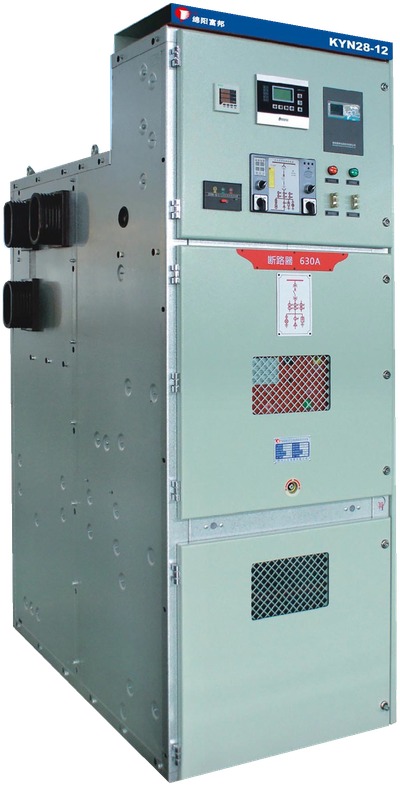
For a proposed 12 kV-class arrangement, review FUBANG KYN28-12 and the medium-voltage equipment category. Configuration, report applicability, available inspection arrangements and delivery scope require project review. This guide does not assert that FUBANG has completed a FAT for your project or holds Malaysian utility approval.
Sources and engineering responsibility
- IEC 62271-200:2021+AMD1:2024 CSV: official public assembly-standard scope.
- IEC 62271-100:2021+AMD1:2024 CSV: official public circuit-breaker-standard scope.
- JKR Perak 2024 PULMAT Taiping project bill of quantities, Bill F/1/7: a specific procurement example of factory witnessing and switchgear FAT scope.
- FUBANG KYN28-12 product information: model and configuration context; request supporting documents for the offered equipment.
Only the IEC public scope descriptions were used here, not the paid full standards. The tables are procurement aids, not a substitute for the approved ITP, applicable standards or a qualified engineer’s acceptance decisions. Required tests, methods, limits, personnel competence and approvals must be established for the actual project.
Return to Buyer Guides & Technical References for related procurement guidance.